This article is for informational and educational purposes only. It does not constitute financial advice. Always consult a qualified financial advisor before making any investment decisions.
Grab a kitchen scale, weigh a 1-ounce silver coin, and you’ll get a reading that doesn’t match what you expected. That’s not a defective scale. The answer to how many grams in an ounce of silver is 31.1035 — not the 28.35 grams printed in every standard reference table. Silver plays by different rules, and those rules have governed global precious metals markets for centuries.
That 2.75-gram gap is small enough to ignore casually. For anyone buying or selling silver, it’s large enough to cost real money.
How Many Grams in an Ounce of Silver: Troy vs. Avoirdupois
While most everyday items use standard ounces equal to 28.35 grams, silver follows a different path. The precious metals industry uses troy ounces, an ancient measurement system that sets an ounce of silver at 31.1034786 grams. In percentage terms, a troy ounce is 9.7% heavier.
Two separate systems. Both called “ounce.” Neither interchangeable.
The word “avoirdupois” is derived from its Middle-English ancestor meaning “goods sold by weight.” An avoirdupois ounce equals 28.3495 grams. Although many countries have begun moving toward the metric system, the United States remains loyal to avoirdupois for everyday commerce. Groceries, parcels, body weight — all avoirdupois.
Silver, gold, and platinum exist in a completely separate measurement universe. All precious metals are priced in troy ounces. When you see “silver per ounce today,” it always means troy ounces. The LBMA Silver Price benchmark, the COMEX futures contract, the U.S. Mint product specifications — every official source uses the troy ounce without exception.
The practical consequence for buyers: if you’re comparing a silver bar advertised by one dealer at “$X per ounce” to a gram-weight product at another dealer, you must convert correctly. Applying the wrong 28.35-gram figure instead of 31.1035 grams will make a product appear roughly 10% cheaper than it actually is.
Where the Troy Ounce Comes From — and Why It Stuck
The troy system didn’t emerge from a modern standards committee. It traces back to the medieval trading city of Troyes in northeastern France, where international merchants settled on a consistent weight system for precious metals transactions during the 12th-century Champagne Fairs. English monarchs adopted troy weight for official gold and silver coinage by the 15th century, and it has governed precious metals commerce ever since.
A troy pound contains only 12 troy ounces, whereas a standard pound has 16 standard ounces — which means a troy pound actually weighs less than a standard pound. Counterintuitive but accurate. The troy ounce is heavier than its avoirdupois counterpart, yet the troy pound is lighter. That’s exactly the kind of calculation error that costs investors money when they’re converting between systems without care.
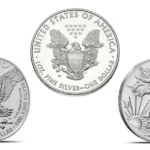
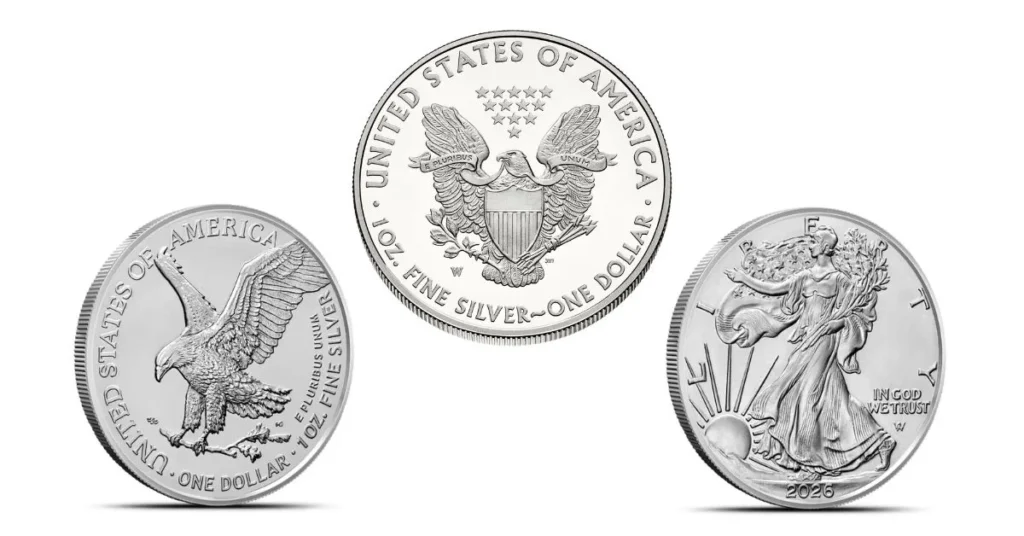
The U.S. Mint’s American Eagle silver bullion specifications illustrate the standard clearly: the coin is exactly 1.000 troy ounce (31.103 grams) of 99.9% silver, giving buyers a highly recognizable benchmark product. That coin sits in millions of portfolios worldwide and is traded exclusively using troy weight — just as it has been since the U.S. Mint began striking it in 1986.
One counter-intuitive fact: the troy system actually protects buyers. Because the troy ounce is heavier than a standard ounce, you receive more silver per “ounce” in a precious metals transaction than you would if the same word applied to standard commerce. Most people assume they’re getting less for their money when dealers use a specialist measurement system. They’re actually getting more metal per unit than the household ounce would deliver.
What the Research Shows: Precision at Scale
Anyone who has studied silver markets understands that the 31.1035-gram figure isn’t just a technicality — it compounds across any meaningful volume of silver.
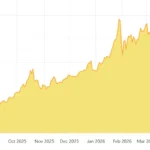
Consider the math at current prices. Silver hit a nominal all-time high of $121.67 on January 29, 2026. At that price, the difference between calculating with 28.35 grams versus the correct 31.1035 grams on a single troy ounce represents approximately $11.54 in mispriced value. Across a 100-ounce silver bar — a standard COMEX-deliverable contract unit — that error becomes $1,154 on a single bar.
The silver spot price is set by COMEX futures trading and the LBMA Silver Price, a twice-daily electronic auction. These benchmarks incorporate global supply, demand, mining output, industrial consumption, and investment flows, with live prices updating every few seconds during market hours.
Silver remains more than 100% higher than this time last year in 2026, a remarkable run driven by relentless industrial demand: global solar installations are on pace for another record year, and the 14–15 million EVs rolling off assembly lines in 2026 each contain meaningful quantities of silver. At those price levels, accurate gram-to-ounce conversion isn’t a technical nicety — it’s a prerequisite for any transaction that doesn’t overpay or undersell.
Solar photovoltaic panels alone now consume over 200 million ounces of silver annually, making solar the single largest industrial use of the metal. Every one of those ounces is measured, contracted, and delivered in troy ounces. The entire industrial supply chain runs on the 31.1035-gram standard.
How Many Grams in an Ounce of Silver: The Full Conversion Table
Not every transaction involves a single troy ounce. Here’s how the numbers scale:
- 1 troy ounce of silver = 31.1035 grams
- 1 gram of silver = 0.03215 troy ounces
- 10 grams of silver = 0.3215 troy ounces
- 100 grams of silver = 3.215 troy ounces
- 1 kilogram of silver = 32.1507 troy ounces
- 1 troy pound (12 troy oz) = 373.24 grams
- 1 standard pound (avoirdupois) = 14.583 troy ounces
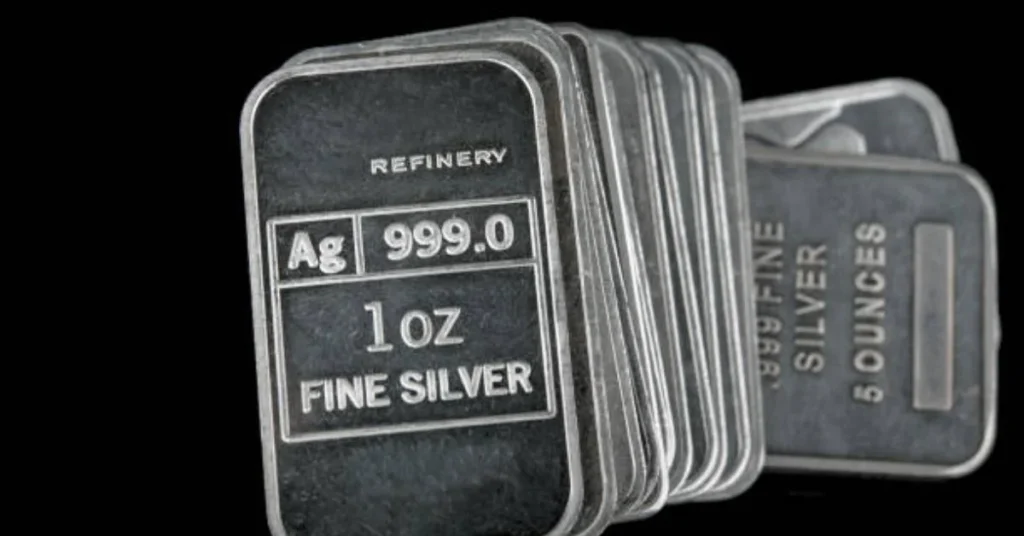
The kilogram is important for bar investors. Standard silver bars traded on the LBMA include the 1,000-troy-ounce Good Delivery bar — a product that weighs approximately 31.1 kilograms and requires refiners to meet strict London Bullion Market Association standards for purity (.999 fine minimum) and physical dimensions before acceptance into the system.
For everyday silver coin buyers, the most commonly encountered weight is the 1-troy-ounce round or government-minted coin. Products like the Canadian Maple Leaf (99.99% silver), the Austrian Philharmonic, and the Perth Mint Kangaroo all weigh exactly 31.1035 grams of fine silver per coin — your cleanest possible benchmark for price-per-gram calculations.
What People Get Wrong About Silver Weight and Pricing
The most common mistake isn’t the troy-versus-avoirdupois confusion. It’s what happens after buyers correctly identify the troy ounce as 31.1035 grams — they then apply that figure to silver products without adjusting for purity.
Some coins contain 1 troy ounce of fine silver but weigh even more in total. This applies to many coins and medals. Why? Because the total gross weight includes any alloying metal. A coin stamped .999 fine silver at 1 troy ounce contains 31.1035 grams of actual silver — but if the coin is struck on a .925 sterling silver planchet, the total coin weight would need to be higher to contain the same fine silver content.
You cannot buy silver at the spot price because that figure only reflects the value of raw silver traded in bulk on global markets, not the cost of finished coins or bars. Dealer premiums typically run 2% to 15% above spot.
And here’s what trips up experienced buyers: premiums are quoted per troy ounce on top of spot, but the premium percentage doesn’t change the gram weight. A coin carrying a $3 per troy ounce premium above spot still weighs exactly 31.1035 grams. The premium reflects fabrication costs, distribution, and dealer margin — none of which adds physical metal to the product.
BLS data shows inflation remained a live issue through 2025 and into 2026, with CPI still running above the Federal Reserve’s long-run 2% target. That inflation backdrop continues to drive new buyers toward physical silver as a wealth-preservation asset. Which means more first-time buyers encountering the troy ounce system for the first time — and making the measurement conversion errors that professionals learned to avoid long ago.
How Many Grams in an Ounce of Silver Matters When You Sell
The gram count becomes most consequential not when buying, but when selling.
White gold — and silver, similarly — is commonly valued from tested purity and weight using the spot price to generate melt value as a baseline, with the final offer reflecting the buyer’s payout percentage and any stated costs or deductions. Scrap dealers, refiners, and coin buyers all start from the same formula: weight in troy ounces × spot price × purity percentage = melt value.
If you hand a dealer a 50-gram silver bar and they calculate your payout using 28.35 grams per ounce rather than 31.1035, they’ve just declared your bar weighs 1.763 troy ounces instead of the correct 1.608 troy ounces — and overpaid you by roughly 10%. Reputable dealers don’t make that error. But the formula works both ways: buyers who miscalculate when purchasing can overpay by the same margin.
When selling silver, buyers assess weight in troy ounces. Accurate knowledge ensures fair transactions. That’s not a vague caution — it’s the mechanical reason why understanding how many grams in an ounce of silver determines whether you negotiate from a position of knowledge or get corrected at the counter.
Past performance does not guarantee future results.
How Many Grams in an Ounce of Silver: The Bottom Line
One troy ounce of silver equals exactly 31.1034768 grams — approximately 9.7% more than the standard household ounce of 28.35 grams. Every price you see quoted for silver on COMEX, the LBMA, Kitco, or any bullion dealer uses this troy ounce standard. The American Silver Eagle, the Canadian Maple Leaf, the LBMA Good Delivery bar — all priced, weighed, and traded against the same 31.1035-gram benchmark that Troyes merchants established eight centuries ago.
Source: mattbuck (category), CC BY-SA 2.0 https://creativecommons.org/licenses/by-sa/2.0, via Wikimedia Commons
As of 2026, with silver trading near multi-decade highs driven by solar, EV, and electronics demand, getting this number right has real dollar consequences for every transaction. The math is simple. The conversion is fixed. The only variable is whether you apply it correctly.
Also Read: How Many Pennyweights in an Ounce — The Real Gold Truth
FAQ
Q1: How many grams are in a troy ounce of silver?
One troy ounce of silver equals exactly 31.1034768 grams. This is the global standard used by COMEX, the LBMA, the U.S. Mint, and every major bullion dealer worldwide — not the standard avoirdupois ounce of 28.35 grams used for everyday goods.
Q2: Is a silver ounce the same as a regular ounce?
A regular (avoirdupois) ounce equals 28.35 grams, while a troy ounce — used for all precious metals — equals 31.1035 grams. The troy ounce is approximately 9.7% heavier, which means applying the wrong figure leads to a pricing error of nearly 10% on every transaction.
Q3: How many grams are in a 1 kg silver bar?
A 1-kilogram silver bar contains 1,000 grams, which equals 32.1507 troy ounces. Because silver is priced per troy ounce, a kilo bar’s value is calculated by multiplying 32.1507 by the current silver spot price, then adjusting for purity.
Q4: Why does silver use troy ounces instead of grams or standard ounces?
The troy system dates to the medieval trading fairs of Troyes, France, where international merchants standardized precious metals measurement in the 12th century. English monarchs adopted it for coinage by the 15th century, and it has remained the global precious metals standard ever since — including for all LBMA and COMEX contracts today.
Q5: Does silver purity affect the gram weight per ounce?
One troy ounce of silver always weighs 31.1035 grams regardless of purity. Purity (expressed as .999 or .925 fine) determines how much of that weight is pure silver versus alloying metal. A coin stamped .999 fine at 1 troy ounce delivers 31.07 grams of actual silver; the remaining 0.03 grams is trace alloy.
This article is for informational and educational purposes only. It does not constitute financial advice. Always consult a qualified financial advisor before making any investment decisions.