This article is for informational and educational purposes only. It does not constitute financial advice. Always consult a qualified financial advisor before making any investment decisions.
A customer walks into a jewelry store, points at a chain stamped “10K,” and asks the sales associate if it’s real gold. The associate hesitates. “It’s the lowest karat we carry,” she says — as if that answered the question.
Is 10 karat gold good? Yes. It’s real gold, it’s legally protected, it holds genuine melt value, and in some specific contexts it outperforms every higher karat on the market. The hesitation around 10K isn’t about quality — it’s about marketing, margins, and a misunderstanding of what the karat system actually measures.
Here’s what the full picture looks like.
What 10 Karat Gold Actually Is
Gold purity is measured on a 24-part scale. Pure gold — 24 karats — is 99.9% elemental gold. 10K gold is an alloy of approximately 41.7% pure gold and 58.3% other metals, including copper, silver, zinc, or nickel. That gold content is real, measurable, and verifiable by any XRF scanner or acid test.
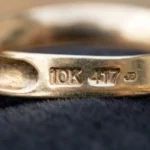
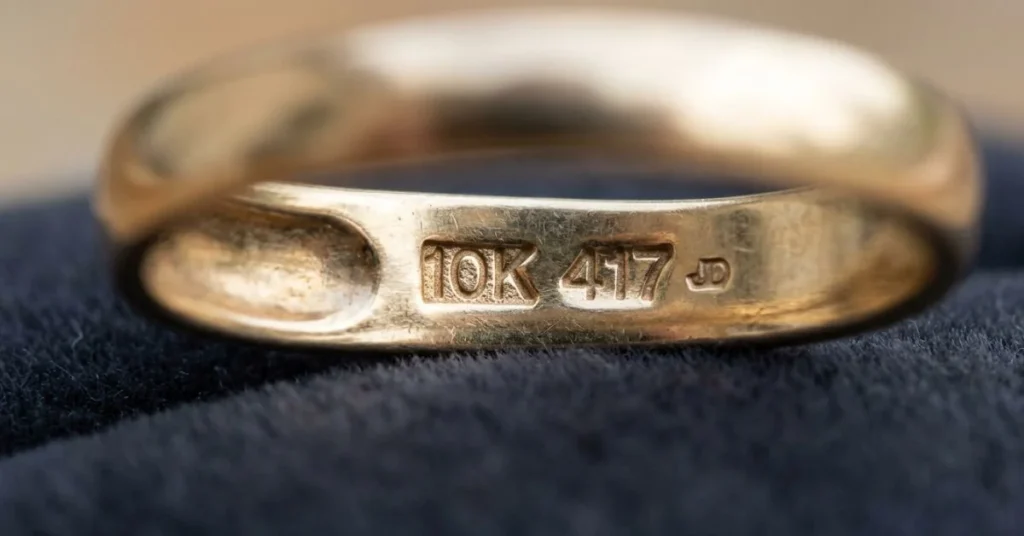
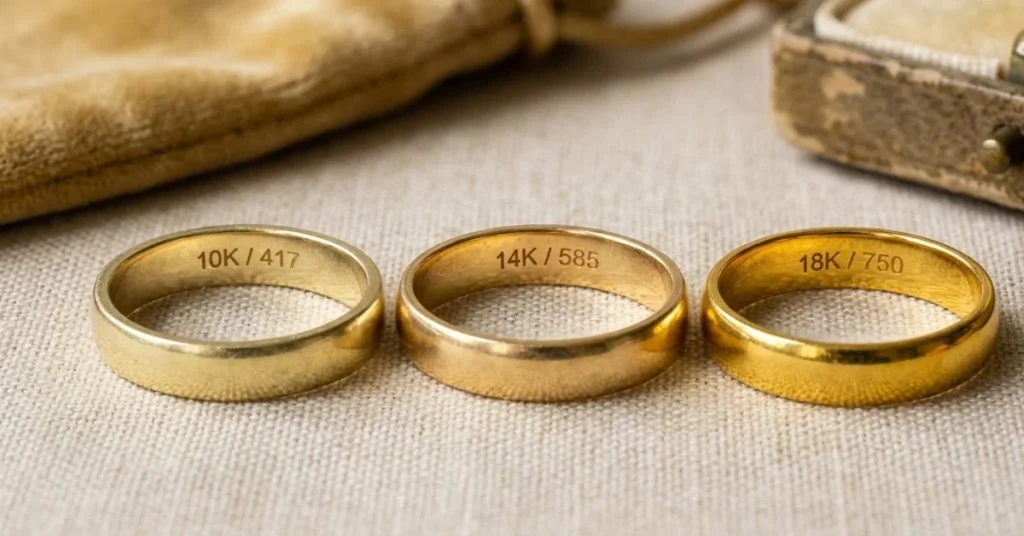
The Federal Trade Commission (FTC) requires that all gold jewelry sold as “gold” in the United States be stamped with its karat quality. 10K, also stamped as “417” in millesimal fineness, is the minimum legal standard for karat gold in the US. That “417” stamp means 417 parts per thousand — or 41.7% — pure gold content. No retailer can legally call something “gold” in the US without meeting that threshold, which means every 10K piece is backed by federal consumer protection law.
Which brings us to the first thing most buyers get wrong: low karat doesn’t mean fake. It means a different alloy ratio. That ratio has real consequences — some favorable, some not — and understanding them is the only way to answer whether 10 karat gold is good for your situation.
Why 10K Gold Is More Durable Than 18K or 24K
Here’s the counter-intuitive part. With its higher alloy content, 10K gold is the most durable and cost-effective option among standard gold karats. More alloy means a harder, more scratch-resistant metal. Pure 24K gold, by contrast, is soft enough to scratch with a fingernail and bends under moderate pressure — which is exactly why bullion coins and jewelry bars are the primary uses for 24K, not rings or chains worn daily.
10K gold is less expensive but extremely durable and best suited for affordable everyday jewelry. 14K gold provides a mix of durability and affordability and accounts for about 90% of engagement and wedding rings sold in the US. That comparison matters: if 10K out-durables 14K, and 14K is the standard for rings meant to last decades, 10K isn’t a compromise — it’s actually overbuilt for daily wear.
Anyone who works with their hands, wears jewelry during physical activity, or simply doesn’t want to worry about scratches has a genuine practical argument for 10K over higher karat options. A nurse who wears a 10K chain through 12-hour shifts, or a tradesperson who won’t remove their wedding band — these aren’t budget buyers making a sacrifice. They’re making a smart material choice.
The Real Tradeoffs: Where 10K Gold Falls Short
None of that means 10 karat gold is universally the right answer. There are real limitations, and buyers who ignore them end up disappointed.
Color. 10K gold has a slightly lighter, cooler gold tone compared to 14K or 18K because of the higher alloy percentage. Most people can’t tell the difference without a side-by-side comparison, but it’s a factor worth knowing. In yellow gold, the difference is subtle. In white gold, the paleness of 10K can be more noticeable. Rose gold at 10K carries a stronger copper flush than higher karat versions.
Skin sensitivity. The high alloy content in 10K gold increases the likelihood of an allergic reaction, especially for people sensitive to nickel or copper. Anyone with known metal sensitivities should consider 18K or higher before buying 10K jewelry worn against the skin for extended periods.
International recognition. A 10K piece requires explanation in most countries outside the United States. An 18K piece is immediately understood and valued in every gold market on Earth. If you plan to sell, trade, or travel internationally with jewelry, 10K may encounter skepticism in markets where the standard runs higher — particularly in the Middle East, South Asia, and parts of Europe where 18K to 22K is the norm.
Tarnish over time. Tarnish can usually be cleaned, but it makes 10K gold less desirable for people looking for low-maintenance jewelry or a consistent long-term shine. The copper and zinc content in 10K alloys reacts with moisture, sweat, and sulfur compounds in the air faster than higher-purity gold. Regular polishing handles it — but it’s maintenance that 18K owners don’t deal with at the same rate.
What Experts Say About 10 Karat Gold
The jewelry industry is genuinely split on this, and both sides have legitimate points.
Michael Khordipour, a veteran jewelry appraiser, argues against 10K gold for fine jewelry, stating that the low gold content and high alloy mix make it less desirable for pieces meant to hold long-term sentimental and market value. That’s a fair point in the context of heirloom pieces or investment jewelry — categories where 18K gold’s higher pure gold density gives it a measurable edge in melt value and global resale.
On the other side, 10K gold is an excellent choice for affordable, durable, real gold jewelry intended for daily wear. For buyers who want genuine gold — not plated, not filled, not vermeil — without the premium that comes with higher karats, 10K delivers full legal standing and real melt value in one package.
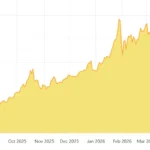
Unlike plated jewelry that becomes worthless once the coating wears off, a 10K gold chain can be sold back based on its weight and gold content at any time — making it both jewelry and a tangible asset, a distinction that matters when gold is trading above $4,600 per ounce. As of June 2026, with gold spot prices well above that threshold, even a modest 10K chain carries meaningful intrinsic value.
That’s the distinction most buyers miss. “Is 10 karat gold good?” is really two separate questions: good for wearing, and good for value retention. The answers aren’t identical — but both lean positive.
10K Gold vs. 14K vs. 18K — A Practical Comparison
| Features | 10K | 14K | 18K |
| Pure gold content | 41.7% | 58.3% | 75.0% |
| Durability | Highest | High | Moderate |
| Color richness | Palest | Medium | Richest |
| Allergy risk | Higher | Moderate | Lower |
| Melt value per gram | Lowest | Mid | Highest |
| Global recognition | US-focused | Widely known | Universal |
| Best use case | Daily wear, budget-conscious | Engagement rings, everyday fine jewelry | Heirloom pieces, investment jewelry |
14K gold provides the best mix of durability and affordability and accounts for about 90% of engagement and wedding rings sold in the United States. That dominance isn’t accidental — 14K sits at the practical sweet spot. But 10K doesn’t fail by comparison. It serves a different buyer with different priorities.
And the price difference is real. At June 2026 gold spot prices above $3,200 per troy ounce for 10K content equivalent, 10K gold runs significantly cheaper per gram than 14K or 18K while still carrying genuine gold melt value that a buyer or refiner will pay on at any time. For the buyer whose priority is owning real gold in wearable form at the lowest entry cost, 10K is a rational, informed choice.
What People Get Wrong About 10 Karat Gold
The biggest misconception: that 10K is somehow dishonest or inferior gold. It isn’t. The FTC requires 10K gold to be stamped as such and composed of exactly 41.7% gold content among other metals — a legally enforced standard, not a marketing claim.
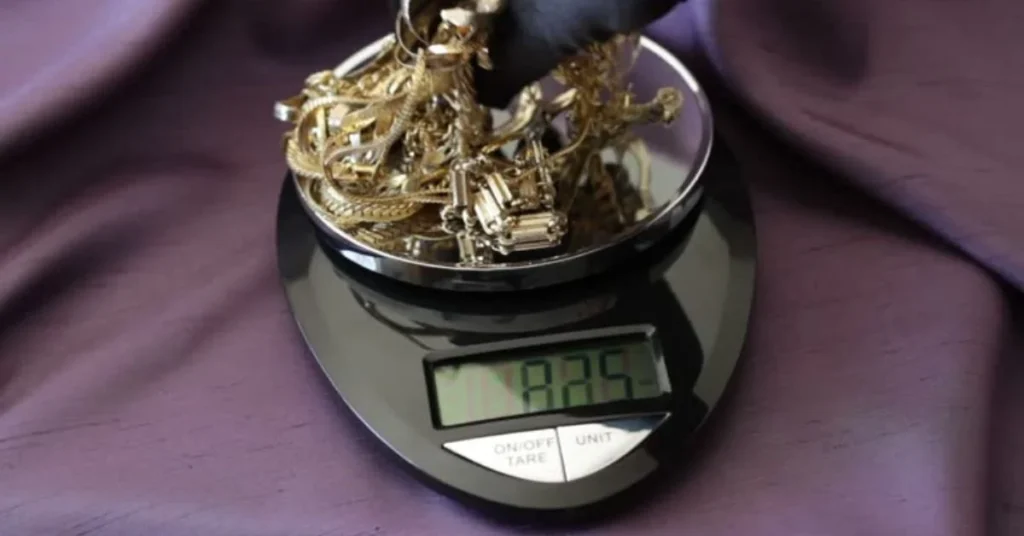
The second mistake is assuming 10K has no resale or investment value. Refiners buy 10K gold every day. The calculation is straightforward — weight in troy ounces multiplied by 0.417, times the current spot price, minus the refiner’s margin. A 10K gold chain can be sold based on its weight and gold content at any time, making it a tangible asset — a distinction that matters when gold trades above $4,600 per ounce.
Third: many buyers think they need to spend more to avoid fake gold. But gold plating, gold fill, and gold vermeil — all cheaper than 10K — carry none of the same legal protections. A 10K hallmark stamp, by FTC regulations, means someone is legally accountable for that purity claim. A “gold-tone” label means nothing at all.
Is 10 Karat Gold Good for You? A Practical Decision Guide
Ask yourself these four questions before buying:
- Will you wear it every day? If yes, 10K’s durability advantage is real and practical.
- Do you have metal allergies? If yes, move to 18K where lower alloy content reduces reaction risk.
- Is resale or investment value a priority? If yes, 14K or 18K will return more per gram at the refiner.
- Are you buying internationally or for international gift-giving? If yes, 18K travels better across global markets.
If none of those concerns apply — if you want real gold, want it to last, and want to spend less — 10 karat gold is genuinely good. Not a compromise. A choice.
Also Read: Is 14 Karat Gold Good? The Surprising Truth Explained
FAQ
Q1: Is 10 karat gold good quality or low quality?
10 karat gold is real, legal gold of genuine quality. It contains 41.7% pure gold and is the minimum legal standard for karat gold in the United States. It’s the most durable gold alloy available for jewelry and holds real melt value that refiners and buyers will pay on at any time.
Q2: Does 10 karat gold tarnish or turn your skin green?
It can over time. The higher alloy content in 10K gold makes it more prone to tarnish than 14K or 18K, and the copper content can react with sweat and moisture to leave a greenish mark on some skin types. Regular cleaning and avoiding prolonged exposure to chemicals minimizes both issues.
Q3: Is 10 karat gold worth buying for investment?
It carries real gold melt value, but it’s not the strongest investment choice per gram. An 18K piece commands a higher per-gram return when sold because buyers and refiners pay for the gold content, not the karat stamp. For pure investment purposes, 18K, 22K, or 24K bullion products return more at resale. 10K is better understood as wearable gold with residual asset value.
Q4: Can you tell the difference between 10K and 14K gold just by looking?
Not easily. Most people can’t tell the difference between 10K and 14K gold without a direct side-by-side comparison. The color difference is subtle — 10K appears slightly paler and cooler in tone — but under normal wearing conditions the two look nearly identical to the untrained eye.
Q5: Is 10 karat gold real gold or fake?
10 karat gold is real gold. The FTC classifies 10K as the minimum legal standard for karat gold in the US, composed of 41.7% pure gold. Any item stamped “10K” or “417” by a US retailer carries a federally enforceable purity guarantee — making it legally and chemically real gold by every applicable standard.
This article is for informational and educational purposes only. It does not constitute financial advice. Always consult a qualified financial advisor before making any investment decisions. Past performance does not guarantee future results.