This article is for informational and educational purposes only. It does not constitute financial advice. Always consult a qualified financial advisor before making any investment decisions.
Walk into any scrap gold buyer’s shop in the United States and there’s a good chance they’ll quote your jewelry’s value in pennyweights — not grams, not troy ounces. Most sellers nod along without knowing what the number means. That’s a problem, because one oz pennyweight confusion can cost you real money when you’re selling gold.
One troy ounce of gold equals exactly 20 pennyweights. That single conversion is the foundation of how the jewelry trade prices gold in 2026, and most retail sellers never learn it.
What a Pennyweight Actually Is
A pennyweight is a unit of mass equal to 24 grains, 1/20th of a troy ounce, or 1.555 grams. Although it’s uncommon in modern bullion trading, the pennyweight plays a critical role in the jewelry, dentistry, and scrap metal industries.
Its abbreviation is dwt — and that abbreviation carries its own history. The “d” stands for denarius, an ancient Roman coin, later used as the symbol for an old British penny. So every time a jeweler writes “dwt” on a receipt, they’re referencing currency that predates the British Empire.
By the 12th century, the troy system had spread across European markets, particularly in England under King Henry II. English coinage at the time was based on pennyweights, with 20 pennyweights equaling one troy ounce and 12 troy ounces forming one troy pound — a system that ensured silver and gold coins had a reliable weight standard for fair trade.
What surprises most people: despite the global spread of the metric system, the pennyweight never disappeared from professional gold pricing in the United States. Prices for precious metals, especially gold, are often quoted in dollars per pennyweight — which makes this unit of measurement directly important for understanding value when buying or selling.
The Exact oz Pennyweight Conversion You Need
The math is fixed and doesn’t change regardless of the gold price:
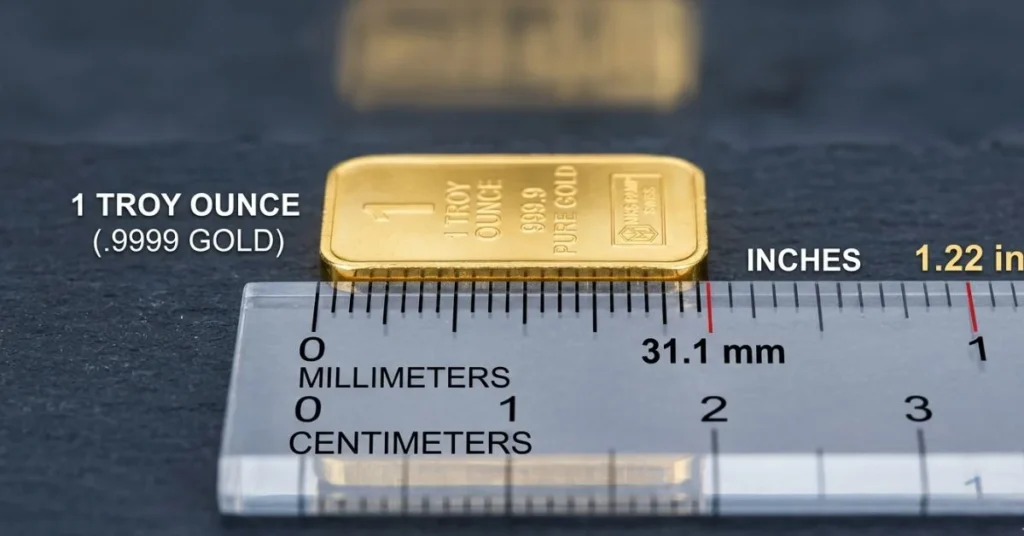
- 1 troy ounce = 20 pennyweights (dwt)
- 1 pennyweight = 1.55517384 grams
- 1 pennyweight = 24 grains
- 1 troy ounce = 31.1035 grams
During 15th century England, the weight of an English penny was exactly 1/20th of a troy ounce and 1/240th of a troy pound of sterling silver — which is why 20 pennyweights equal a troy ounce and 12 troy ounces make a troy pound.
Here’s the practical consequence: if spot gold is trading at $5,000 per troy ounce today — which falls within the range gold has occupied in 2026 — a single pennyweight of pure gold is worth $250. A typical men’s gold wedding band weighing around 4 dwt would carry a melt value of approximately $1,000 in pure gold terms at that price. Actual payout from a scrap buyer will be less, based on karat purity and dealer margin.
Anyone who has studied gold markets understands that knowing the per-pennyweight value before you walk into any transaction puts you in a fundamentally different negotiating position than someone who can’t do the math on the spot.
How Pennyweight Differs From a Regular Ounce
This is where the oz pennyweight relationship gets misunderstood — and where real money gets lost.
There are two completely different “ounces” in use:
In the avoirdupois system, commonly used in the United States for everyday goods, one ounce equals approximately 28.35 grams. In the troy system used for precious metals, one troy ounce equals approximately 31.1035 grams.
That’s nearly a 10% difference. A dealer who quotes a price “per ounce” without specifying which ounce is using ambiguous language. Although the troy pound and pennyweight lost their official status in the UK in 1878, the troy ounce and its subdivisions remained official — and the pennyweight remains the common weight used in the valuation and measurement of precious metals, especially for jewelry.
The counter-intuitive reality: a troy pound is actually lighter than a standard avoirdupois pound. The troy pound contains 12 troy ounces (373 grams), while the standard pound contains 16 avoirdupois ounces (453 grams). So the troy system has a heavier ounce but a lighter pound. Most people assume “troy” just means “for precious metals” — they don’t realize the entire weight structure is different.
Where Pennyweights Are Used in the Gold Industry
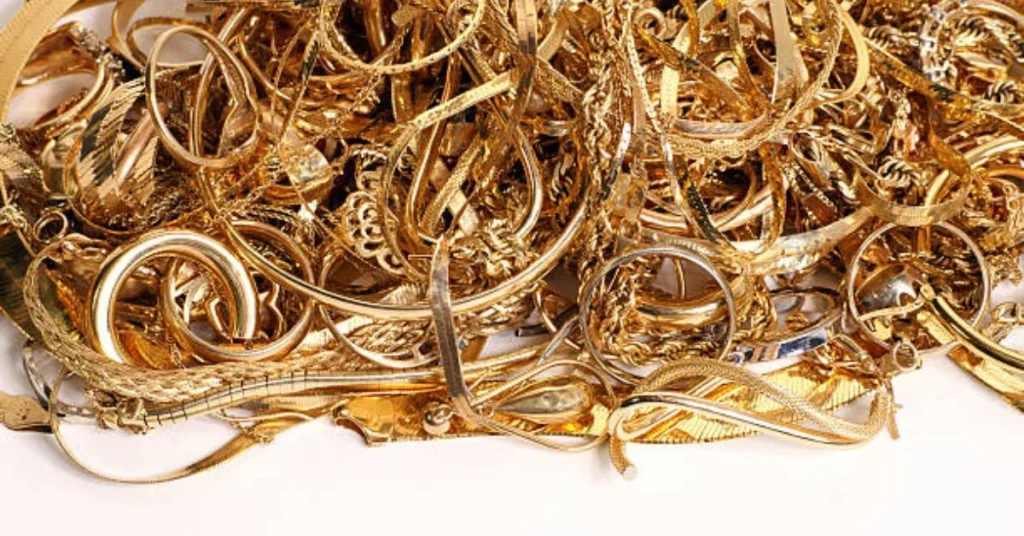
Three industries rely on pennyweight measurements daily: jewelry manufacturing, dentistry, and scrap metal valuation. Jewelers use pennyweights to calculate the weight of precious metals required for crafting or repairing pieces. Dental labs use pennyweights to measure precious metals in restorations including crowns and inlays. In the scrap metal industry, metals are typically weighed in pennyweights before their value is assessed and converted into market prices.
Jewelry: A men’s wedding band might weigh about 4 dwt, while a pendant could be 2.5 dwt. These are manageable numbers that map cleanly onto real pieces without requiring decimal-heavy gram calculations.
Scrap gold selling: This is where the oz pennyweight relationship matters most to retail sellers. Gold pricing begins with the spot price, quoted per troy ounce. Pennyweights divide that ounce cleanly into 20 equal parts, making calculations faster and more precise — most gold jewelry doesn’t weigh a full ounce, so pennyweights allow jewelers to price small items accurately.
Bullion trading: Here pennyweights are essentially absent. The LBMA’s London Fix, COMEX futures contracts, and all institutional gold trading quote prices in troy ounces per XAU. If you’re buying gold bars or coins, you’ll never encounter a pennyweight quote. The unit belongs to the jewelry and fabrication side of the gold market, not the investment side.
What People Get Wrong About Pennyweights
The most expensive mistake sellers make: confusing a price-per-gram with a price-per-pennyweight quote.
Because one pennyweight equals 1.555 grams, confusing the two can lead to valuation mistakes. Some gold buyers quote a “price per gram” but pay based on pennyweight — and sellers who don’t know the difference accept the lower figure without realizing it.
A second widespread misunderstanding is assuming pennyweight is an obscure or informal unit. The use of pennyweights in the precious metals industry is tied to the need for precise measurements — since metals like gold and silver are valued by their weight, some jewelers and metal buyers prefer the pennyweight because it simplifies calculations when working within the troy system. It’s not obscure. It’s the working standard for professional gold buyers across the United States.
Third misconception: that pennyweights only matter when selling scrap. Wrong. Understanding the oz pennyweight conversion helps when buying gold jewelry too — specifically when verifying that a piece you’re purchasing is correctly priced against the spot market. A jeweler who quotes a piece “by the gram” and a dealer who quotes “by the pennyweight” may be describing the same weight using numbers that look completely different. Knowing the math keeps you anchored.
What the Research Shows: Pennyweight in Professional Practice
Manhattan Gold & Silver, one of New York’s established precious metals refiners operating in the Diamond District, publishes pennyweight conversion tools and states that the pennyweight calculator helps customers understand prices set by the London Fix. That connection — between a medieval English weight unit and the modern London Fix — illustrates exactly how deep the pennyweight runs through the professional gold trade.
APMEX, one of the largest online bullion dealers in the United States, confirms that the pennyweight was a vital part of medieval trade and commerce, particularly for transactions involving precious metals, where it helped standardize trade across regions — essential for building trust between merchants and ensuring that goods like silver and gold could be traded with a common understanding of value.
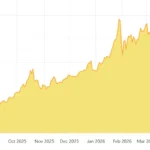
As of 2026, with gold prices sitting well above $5,000 per troy ounce for much of the year, the financial precision that pennyweights provide has become more commercially meaningful than at any point in recent memory. At $5,000 per troy ounce, the difference between being quoted on grams versus pennyweights on a 10-piece jewelry lot isn’t trivial. Past performance does not guarantee future results, and gold prices fluctuate — but the weight conversion ratios are permanent.
A Practical oz Pennyweight Reference Table
| Unit | Grams | Troy Ounces | Pennyweights |
| 1 Pennyweight (dwt) | 1.555 g | 0.05 ozt | 1 dwt |
| 1 Troy Ounce | 31.1035 g | 1 ozt | 20 dwt |
| 5 Pennyweights | 7.776 g | 0.25 ozt | 5 dwt |
| 10 Pennyweights | 15.55 g | 0.5 ozt | 10 dwt |
Keep this table on hand before any scrap gold transaction. Cross-check whatever unit a dealer uses against the spot price in troy ounces — it takes 30 seconds and removes all ambiguity from the transaction.
Also Read: Troy Ounce 999 Fine Silver: The Hidden Truth Explained
FAQ
How many pennyweights are in a troy ounce of gold?
Exactly 20. One troy ounce equals 20 pennyweights (dwt), with each pennyweight equal to 1.555 grams. This conversion is fixed and applies to all precious metals weighed in the troy system.
Is pennyweight the same as a regular ounce?
A pennyweight is 1/20th of a troy ounce, which itself weighs 31.1 grams — approximately 10% heavier than a standard avoirdupois ounce of 28.35 grams. The two systems are entirely separate.
Why do jewelry buyers use pennyweights instead of grams?
Because 20 pennyweights divide a troy ounce into clean, workable units for small jewelry pieces. A ring or pendant typically weighs 2–5 dwt, producing round numbers that simplify pricing calculations against the spot market.
Can I be cheated using pennyweight pricing?
If you don’t know the conversion. Some buyers quote a “per gram” price but weigh in pennyweights — since 1 dwt equals 1.555 grams, accepting a gram-based price on pennyweight-measured gold results in a lower payout than expected. Always verify which unit the dealer is using for both weighing and pricing.
Do bullion investors use pennyweights?
Standard gold bullion — bars, coins, and exchange-traded products — is priced in troy ounces, tracked under the XAU symbol, and quoted on exchanges including COMEX and the LBMA London Fix. Pennyweights belong to the jewelry and fabrication trade, not institutional bullion markets.
This article is for informational and educational purposes only. It does not constitute financial advice. Always consult a qualified financial advisor before making any investment decisions.