This article is for informational and educational purposes only. It does not constitute financial advice. Always consult a qualified financial advisor before making any investment decisions.
Most people assume white gold is worth more than regular yellow gold. The color looks more refined. The price tag at the jeweler often runs higher. And when you’re comparing white gold vs gold value, that assumption feels completely reasonable. It isn’t.
Here’s where it gets interesting.
White Gold vs Gold Value: The Karat Rule That Changes Everything
Before anything else, one number determines value: the karat stamp.
Gold prices are primarily determined by purity rather than the color of the metal. The price of each gram of gold is based on its karat value — 22k gold will be more expensive than 18k gold, which in turn will be more expensive than 14k gold. Color — whether white or yellow — doesn’t change that calculation.
According to Bullion.com, the gold spot price on June 8, 2026, stood at $4,345.10 per troy ounce. At that spot price, a troy ounce of 18k white gold contains the same gold content — and therefore the same baseline metal value — as a troy ounce of 18k yellow gold. Same karat. Same purity fraction. Same melt value.
Pure gold is 24 karats, but because pure gold is incredibly soft — almost like lead — it isn’t practical for everyday wear. To make it durable, it is mixed with other metals like copper, silver, nickel, or zinc. 14K gold consists of 14 parts pure gold and 10 parts alloy metals, a 14/24 ratio equal to 58.3% purity, often stamped as “585.”
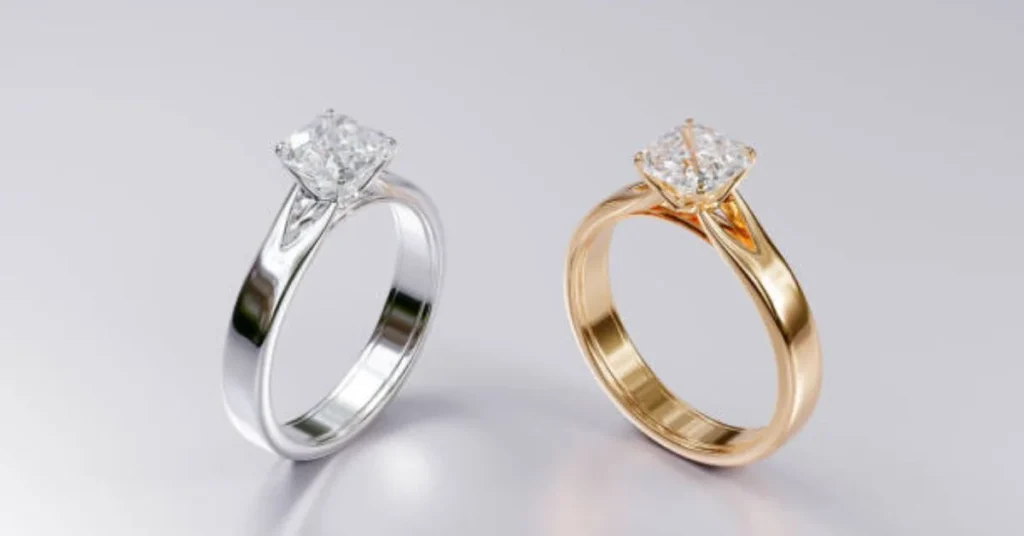
The practical consequence: if you hand a scrap dealer two 14k rings of identical weight — one white, one yellow — you’ll receive the same payout for both. White gold and yellow gold of the same karat weight have about the same value. If you were to sell either for scrap, you would get about the same value from a gold buyer.
What most people miss is that “white gold” is a manufacturing category, not a separate precious metal. White gold doesn’t exist in nature. It’s yellow gold chemically altered through alloying and surface treatment.
What White Gold Actually Is — and Why It Costs More at the Jeweler

White gold is an alloy of pure gold and white metals like silver, nickel, palladium, or zinc, which give it an off-white, less yellow appearance. It is often plated with rhodium to achieve a whiter color and increase its durability and shine.
That rhodium plating is where things get expensive — and complicated.
Rhodium is actually the most expensive metal in the world at nearly $10,000 per ounce as of January 2026 — down from a high of $29,000 in 2021. However, its hard and brittle nature means it cannot be used in its pure form to make jewelry. Only a microns-thin electroplated layer is applied over the white gold base. That layer is what creates the mirror-bright white finish consumers associate with the metal.
The alloy composition beneath that plating matters too. Palladium, one of the common hardening metals for white gold, costs more than copper or zinc. The rhodium plating process also adds a production step that yellow gold does not require. This is why white gold jewelry typically carries a slightly higher retail price — not because it contains more gold, but because its manufacturing process is more complex.
White gold might cost slightly more upfront, but whether it’s more valuable than yellow gold long-term depends on care and maintenance. White gold requires regular maintenance — that rhodium plating wears away over time, usually within one to three years depending on wear. Replating costs between $100 and $300 per piece.
And that’s the thing. The premium you pay at purchase isn’t stored value — it’s a production cost you’re absorbing upfront, with future maintenance bills attached.
What the Research Shows: Melt Value vs. Retail Price
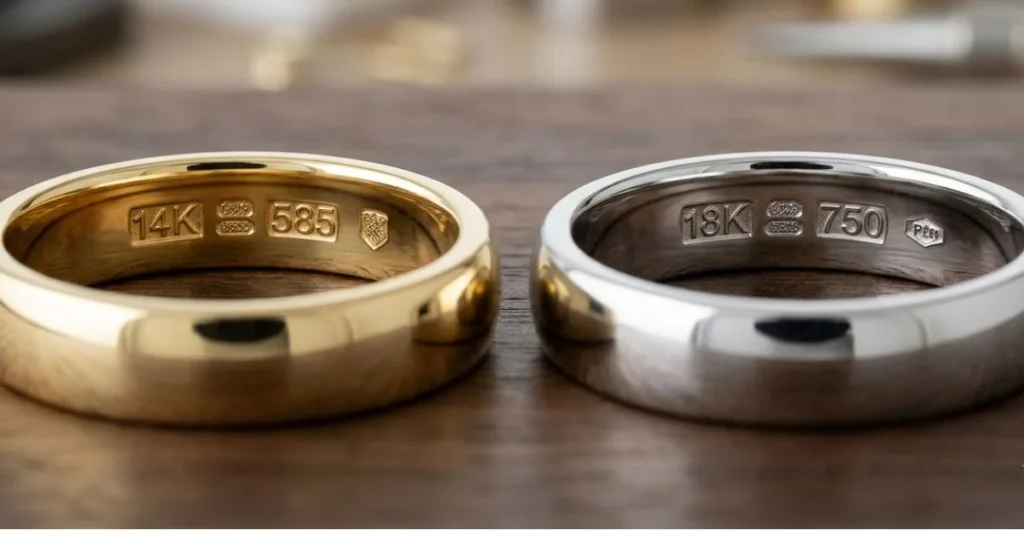
Investors who track gold closely know there are two entirely different numbers involved when assessing white gold vs gold value: melt value and retail price. Confusing the two is where most buyers go wrong.
Melt value shows a piece’s worth based on weight and purity — essentially its value as raw metal. Buyers pay a percentage of the melt value to cover refining costs, overhead, and profit. The color of the gold plays no role in this calculation.
White gold is commonly valued from its tested purity and weight using the spot price to generate melt value as a baseline, with the final offer reflecting the buyer’s payout percentage and any stated costs or deductions. In most scrap transactions, white and yellow gold of the same karat are treated alike.
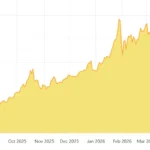
As of early 2026, the gold spot price has hovered near the $5,000 per troy ounce mark. Because 14k gold is 58.3% pure gold, the remaining 41.7% consists of alloy metals like copper, silver, or zinc, meaning more than half of its material value fluctuates with the live spot price.
Run the math at current spot prices: a 5-gram 14k white gold ring contains 2.915 grams of pure gold. At $4,345 per troy ounce (approximately $139.67 per gram), that’s roughly $407 in raw gold value — regardless of whether it’s white or yellow.
Gold’s current record high was achieved on January 28, 2026, at $5,602.22 per troy ounce, according to APMEX — a milestone that followed the historic bull run triggered initially by COVID-19 economic uncertainty in 2020 and accelerated by subsequent banking sector instability.
At those prices, the gold content in any piece — white or yellow — is genuinely meaningful. Anyone who has studied gold markets understands that the metal’s intrinsic value is the only floor that doesn’t shift with fashion trends.
What People Get Wrong About White Gold and Investment Value
The biggest misconception is that white gold is a premium version of yellow gold — a step up in quality, like the difference between economy and business class. That framing is understandable but inaccurate.
White gold and yellow gold are usually much closer in price than people expect. If you’re comparing the same karat and weight, the gold itself costs the same. Any extra cost you might see with white gold usually comes from the finishing process.
The second misconception involves resale. Many buyers expect to recoup more from a white gold piece because it looks more expensive. In practice, resale value is based on gold weight, not retail price. A jeweler who paid a premium for rhodium plating and palladium alloying will not pass that premium back to you at resale. A scrap buyer certainly won’t.
If you care about long-term value and maintenance costs, white gold may require future plating that affects its value to you — though not necessarily its intrinsic metal value. Some buyers prefer yellow gold, others white gold, and that can impact what you’re able to sell for in practice.
There’s also a durability misunderstanding worth correcting. The metals used in white gold alloys, particularly nickel and palladium, are harder than the copper-zinc mix in yellow gold. White gold is slightly more resistant to surface scratching on the base metal, and the rhodium coating adds additional surface protection when intact. But once that rhodium layer wears through — which happens regardless of how carefully you treat the piece — the base metal shows yellow undertones, and the durability advantage disappears until you replate.
Yellow Gold’s Quiet Comeback: Why Trend Matters for Resale
The jewelry market has shifted. Yellow gold has seen a strong resurgence since 2023, particularly in vintage-inspired and nature-motif designs. White gold remains the dominant choice for contemporary engagement rings, but the gap has narrowed considerably in 2026, with many buyers now choosing yellow gold precisely because it reads as intentional and current rather than traditional.
This matters for value more than most people realize. Jewelry from luxury brands such as Cartier can sell for more than 100% of the purchase price on retail platforms like eBay. The same applies to pieces featuring high-quality diamonds or vintage items in pristine condition. Broken items, worn pieces, or outdated styles may sell for scrap value only.
If white gold’s aesthetic dominance slips further — and 2026 trend data suggests it has — resale demand for white gold jewelry pieces beyond melt value becomes less reliable. Yellow gold, by contrast, currently benefits from active trend momentum. The practical consequence: buying yellow gold as a wearable asset in 2026 may carry more secondary market upside than buying white gold, independent of their identical melt values.
Which brings us to something worth noting: the precious metals investment community largely ignores the white-vs-yellow distinction entirely. When the World Gold Council tracks global gold demand — which reached 4,974 tonnes in 2024 — it measures gold by weight and purity, not color. The London Bullion Market Association’s spot price benchmark, known as the London Fix, prices XAU (the international gold symbol) per troy ounce of .999 fine gold. Color simply doesn’t exist in that framework.
Comparing the Long-Term Cost of Ownership
Let’s be concrete. Assume you purchase a 14k white gold and a 14k yellow gold ring at comparable prices — say $800 each, same weight, same karat.
- Year 0: White gold ring costs marginally more due to rhodium plating and palladium alloying, but assume equal purchase price for this scenario.
- Year 1–2: White gold rhodium plating begins wearing through. Replating required: rhodium replating in 2026 market ranges runs approximately $75–$150 per service.
- Year 10: White gold piece has accumulated $375–$750 in replating costs. Yellow gold has required only occasional professional polishing, typically included in a standard jewelry service.
- Resale: Both pieces sell at comparable melt value, adjusted for weight and karat. The white gold piece’s total cost of ownership is meaningfully higher.
When you factor in maintenance costs over 10–20 years, the actual price difference between white gold and yellow gold becomes more pronounced — and not in white gold’s favor.
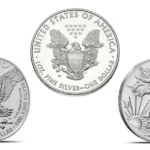
For pure investment purposes, neither white nor yellow gold jewelry outperforms raw bullion. A standard 1-troy-ounce gold bar or a sovereign coin (such as the American Gold Eagle at 22k or the Canadian Maple Leaf at 24k) gives you the gold content with zero fabrication markup and no maintenance cost. Jewelry always carries a retail premium above melt value that evaporates immediately at resale.
Past performance does not guarantee future results.
White Gold vs Gold Value: What This Means for You
The answer to the core white gold vs gold value question is cleaner than most people expect.
At the same karat weight, white gold and yellow gold carry identical gold content and equivalent melt values. White gold typically costs more at purchase due to rhodium plating and more expensive alloying metals like palladium. Over time, white gold costs more to maintain. At resale, both are evaluated on weight and purity alone — the color earns nothing extra from a scrap buyer.
For style preferences, white gold remains the dominant engagement ring metal in 2026, though yellow gold’s resurgence is real and accelerating. For investment purposes, karat number matters far more than color — and raw bullion outperforms jewelry of either shade every time. What you pay for beyond the gold content — the rhodium finish, the labor, the design — is a cost, not an asset.
Also Read: Is Silver a Precious Metal? The Truth Most Investors Don’t Know
FAQ
Q1: Is white gold worth more than yellow gold?
White gold and yellow gold of the same karat weight contain identical amounts of pure gold and carry the same melt value. White gold typically costs more at the jewelry counter due to rhodium plating and palladium alloying, but any scrap buyer will pay both metals the same rate per gram at equal karat.
Q2: Does white gold hold its value over time?
But only in proportion to its gold content — not its retail price. The rhodium plating and manufacturing premium above melt value are not recovered at resale. Long-term value tracks the live gold spot price based on karat purity and weight alone, exactly as yellow gold does.
Q3: What is white gold made of?
White gold is pure yellow gold alloyed with white metals such as nickel, palladium, silver, or zinc, then electroplated with a microns-thin layer of rhodium to produce its bright white finish. Without that rhodium layer, white gold shows a slightly yellowish tone underneath.
Q4: Is white gold a better investment than yellow gold?
Neither white nor yellow gold jewelry outperforms raw bullion for investment purposes. Both carry retail fabrication premiums that disappear at resale, and white gold adds ongoing rhodium replating costs — typically $75–$150 per service every one to three years — that yellow gold never requires.
Q5: Can you tell the difference between white gold and platinum just by looking?
Not reliably with the naked eye. Both appear bright white and similarly reflective. The practical difference is that platinum is a naturally white element requiring no alloying or plating, is significantly denser than gold, and carries a higher price per gram — while white gold is a manufactured alloy of yellow gold that needs rhodium plating to maintain its white appearance.
This article is for informational and educational purposes only. It does not constitute financial advice. Always consult a qualified financial advisor before making any investment decisions.