This article is for informational and educational purposes only. It does not constitute financial advice. Always consult a qualified financial advisor before making any investment decisions.
Here’s a question that trips up a lot of new buyers: is the highest karat gold always the best gold to own? Most people assume yes. The reality is more layered, and it depends on whether you’re buying jewelry, coins, or bars.
The highest karat gold is 24 karat, meaning the metal is 99.9% pure with virtually no alloy mixed in. 24-karat gold is the purest gold used in commercial products, and items that are 99.9% pure or finer qualify as 24K. That single fact shapes everything else about how 24K gold gets used, priced, and stored.
What “Highest Karat Gold” Actually Means
The karat scale runs from 0 to 24, with each number representing a fraction of pure gold out of 24 total parts. Pure gold is notated as 24K, the highest karat level, meaning it is 100% pure gold, while 18K gold sits at 75% purity, 14K at 58.3%, and 10K at 41.7%.
Here’s the practical breakdown:
- 24K = 99.9% pure gold
- 22K = approximately 91.7% pure gold
- 18K = 75% pure gold
- 14K = 58.3% pure gold
- 10K = 41.7% pure gold
And here’s the thing. Higher karat doesn’t mean higher craftsmanship or design quality. It only measures gold content. A 24K bar and a 10K ring are both “real gold,” just with very different compositions.
Why 24K Gold Is Rarely Used in Jewelry
This is where most people get it wrong. They assume jewelers avoid 24K gold because it’s “too expensive.” That’s not the real reason.
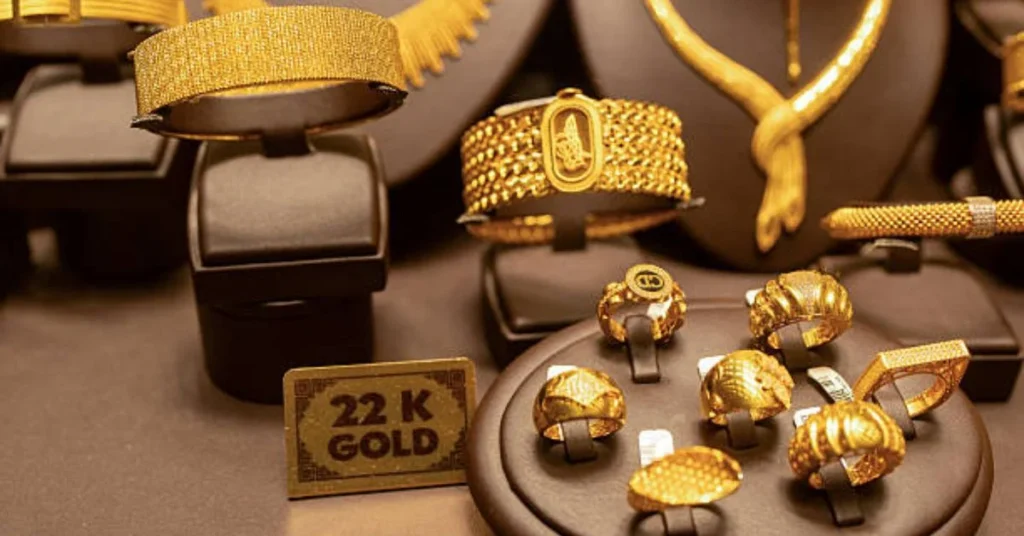
24K gold is composed of 99.9% gold, making it the highest quality and most valuable type available, but it’s relatively soft and easily scratched or dented. Without alloy metals like copper, silver, or zinc to add structural strength, a 24K ring would bend out of shape from normal daily wear within months.
That’s why 22-karat gold, with 91.67% gold and 8.33% alloy, became the popular choice for jewelry in many parts of Asia and the Middle East, since the added metals make it significantly more durable than 24K while keeping a rich, warm color close to pure gold.
Practical consequence for buyers: if you purchase a 24K gold chain expecting it to hold up like an 18K piece, you’ll likely see visible wear, dents, or deformation within a year of regular wear.
Where Highest Karat Gold Actually Belongs: Bullion
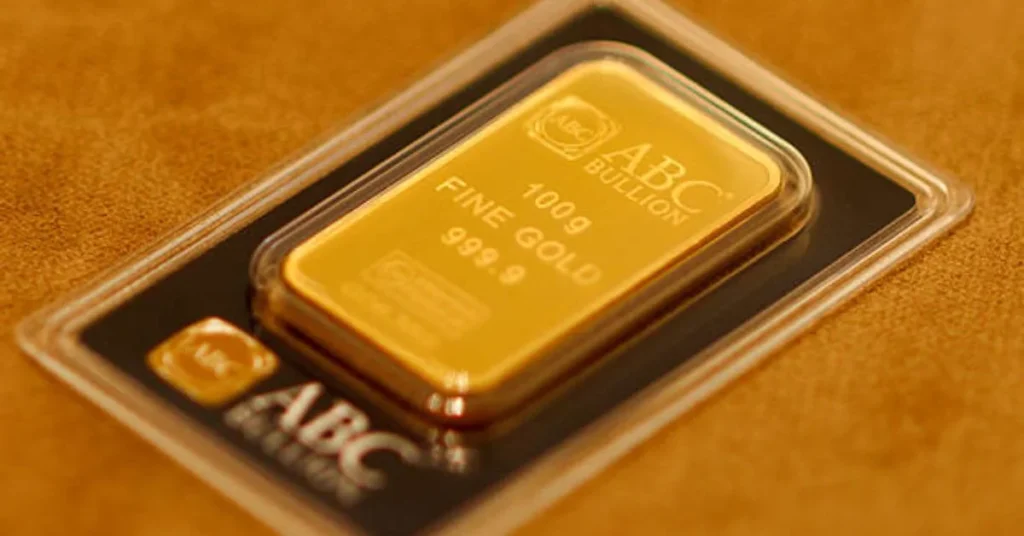
The highest karat gold finds its real home in bullion, not jewelry. Many of the most popular gold bullion coins are made from 24K or 22K gold, and the softness that’s a liability in jewelry is irrelevant when the gold sits in a vault or safe.
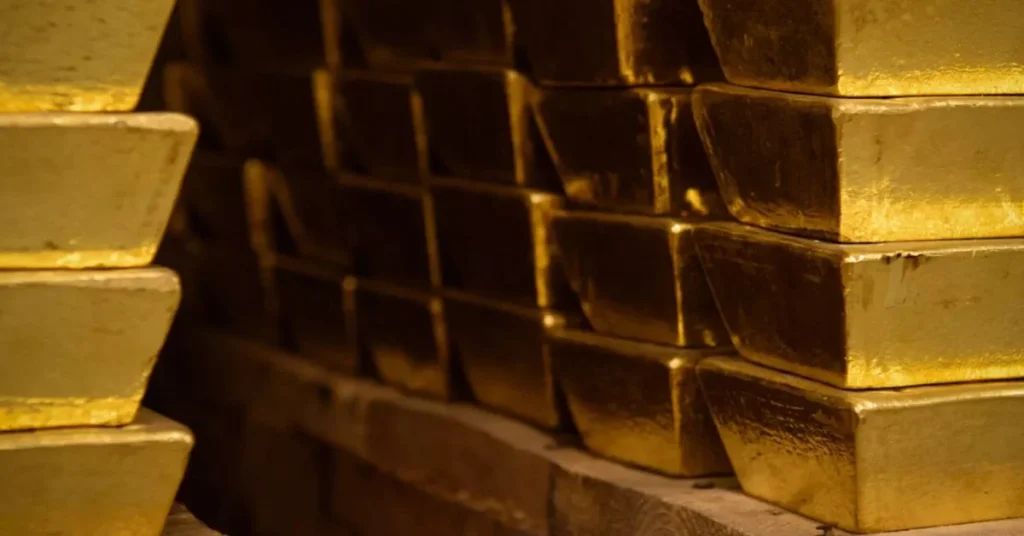
For institutional-grade bars, the LBMA sets the global benchmark. To be classified as an LBMA Good Delivery bar, a gold bar must meet a minimum fineness of 995 parts per thousand, or 99.5% purity, and a standard bar weighs approximately 400 troy ounces, falling within a range of 350 to 430 fine ounces. As of 2026, this Good Delivery standard remains the reference point that institutional gold trading in London is built around.
One nuance investors often miss: weight and purity don’t always move together. A gold coin might contain exactly 1 troy ounce of pure gold even if its overall composition is 22K, as is the case with the American Gold Eagle, which is minted in 22-karat gold but still contains a full troy ounce of pure gold. So a 22K coin can deliver the same pure gold content as a 24K coin of the same “troy ounce” labeling, just with a heavier overall weight due to the alloy.
How Highest Karat Gold Gets Verified
The LBMA doesn’t just publish a fineness number and leave it there. Assay results on gold alloys are usually expressed to five significant figures and then rounded to four, with specific rounding rules: an assay of 994.99 is expressed as 994.9 rather than rounded up to 995.0, because 995, 999.9, and 1,000 are fineness levels where rounding up isn’t allowed.
That rounding rule exists for a reason. It prevents a bar that’s technically just under the Good Delivery threshold from being rounded into compliance on paper. For an investor, this matters because it shows how tightly the chain of custody and certification is controlled at the wholesale level, something retail buyers rarely see but benefit from indirectly through price integrity.
The Good Delivery framework itself isn’t static. New marking rules apply to all new bar changes and Good Delivery List applicants from January 1, 2026, requiring fineness, date, and serial number markings to be a minimum of 12mm in height and at least 10mm from the bar’s edge, though existing accredited refiners aren’t required to retrofit older bars immediately.
What the Research Shows About Gold Demand in 2026
Central bank behavior gives a window into how seriously institutions treat gold purity and reserves right now. The World Gold Council found that 95% of central banks, the highest share ever recorded, expect their gold reserves to grow within the next 12 months, with 43% of governments planning to increase reserves, also a survey record.
This demand isn’t centered on jewelry-grade gold. It’s concentrated in Good Delivery bars and high-fineness bullion, the same 99.5%+ category that defines “highest karat” gold in the investment world. Investors who track gold closely know that central bank accumulation patterns often signal where institutional confidence in a fineness standard is heading.
As of mid-2026, gold has traded around $4,200 per ounce, reflecting how much weight markets place on verified, high-purity bullion as a reserve asset. Past performance does not guarantee future results.
Highest Karat Gold vs. Lower Karats: A Quick Comparison
| Karat | Purity | Best Use | Durability |
| 24K | 99.9% | Bullion, coins, bars | Low |
| 22K | 91.7% | Coins, traditional jewelry | Moderate |
| 18K | 75% | Fine jewelry | Good |
| 14K | 58.3% | Everyday jewelry | High |
| 10K | 41.7% | Budget jewelry | Highest |
Who Should Care About Highest Karat Gold
If you’re buying for investment purposes, the highest karat gold (24K or LBMA Good Delivery 995+ bars) is the category that aligns with global benchmark pricing. If you’re buying jewelry for daily wear, 14K or 18K typically makes more sense. Conflating the two purposes is where a lot of first-time buyers waste money, either overpaying for durability they don’t need in a bar, or buying 24K jewelry that won’t survive a year of regular use.
Also Read: What Does Karat Mean in Gold? The Real Answer
FAQ
Is 24K gold the highest karat gold available?
24 karat represents 99.9% pure gold with no meaningful alloy content, the maximum on the karat scale.
Is 24K gold better than 22K for investment?
No, not automatically. Both meet investment-grade purity thresholds, and what matters more is the certified weight of pure gold and whether the bar or coin meets LBMA Good Delivery standards.
Can 24K gold be used in everyday jewelry?
No. Its softness makes it prone to scratching and bending, so most jewelry uses 18K or lower for added durability.
Does higher karat always mean a higher price per gram?
Higher karat gold contains more pure gold by weight, so it carries a higher intrinsic value, though design and craftsmanship also affect jewelry pricing.
Is LBMA Good Delivery the same as 24K?
No. LBMA Good Delivery requires a minimum fineness of 995 parts per thousand (99.5%), which is slightly below the 999.9 (99.9%) threshold typically used to define 24K.
This article is for informational and educational purposes only. It does not constitute financial advice. Always consult a qualified financial advisor before making any investment decisions.