This article is for informational and educational purposes only. It does not constitute financial advice. Always consult a qualified financial advisor before making any investment decisions.
Quick question: if someone hands you a gold coin, is that “bullion”? What about a gold necklace? The answer separates a lot of confused first-time buyers from people who actually understand what is gold bullion and why the distinction matters for their money.
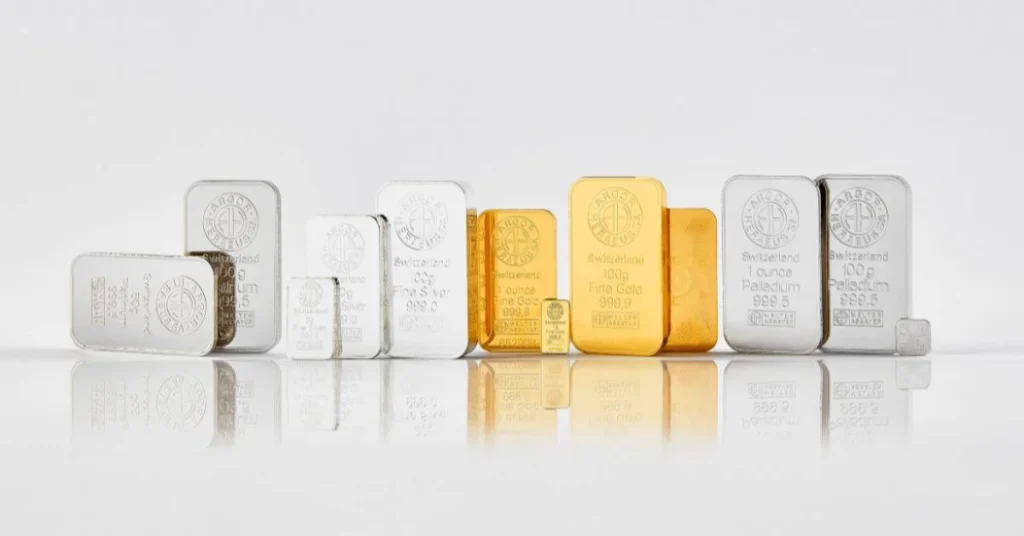
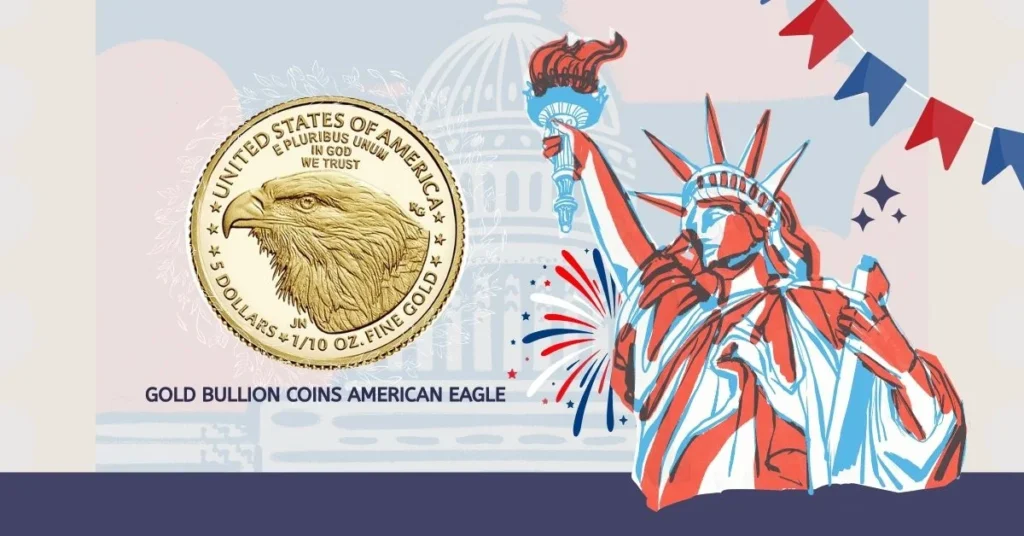
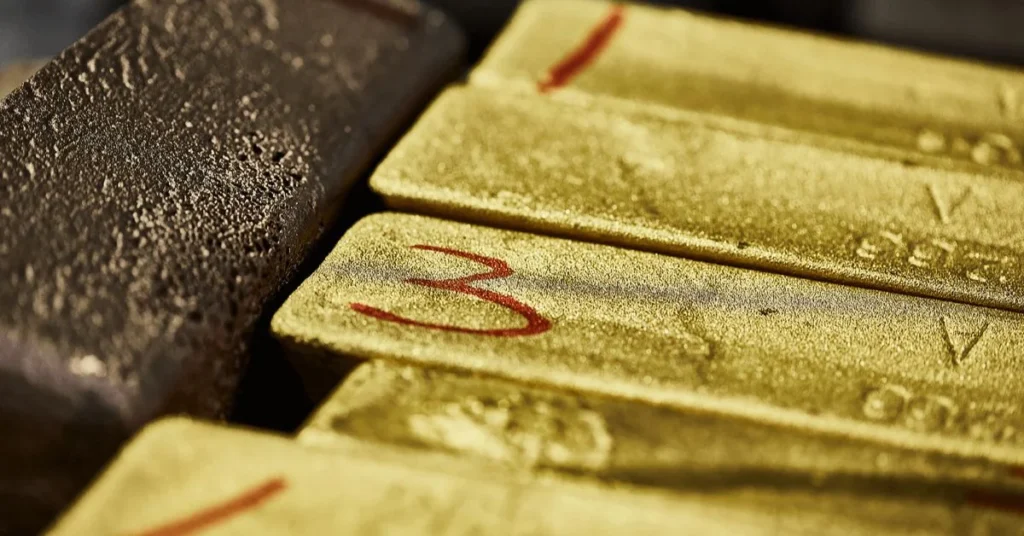
Gold bullion refers to gold in bulk form, bars or coins, valued primarily for its metal content rather than its design or craftsmanship. That’s the core of what is gold bullion, and it’s the category that institutional markets, central banks, and most serious investors deal in.
What Is Gold Bullion, Technically Speaking?
Bullion isn’t a brand or a single product. It’s a classification. The London Bullion Market Association (LBMA) is the international trade association that represents the over-the-counter gold and silver bullion market, encompassing trading and refining of physical precious metals including gold, silver, platinum, and palladium.
So when someone asks what is gold bullion, the short version is: it’s physical gold (or silver, platinum, palladium) in standardized bar or coin form, traded primarily on metal content and certified purity rather than aesthetic value.
Here’s what separates bullion from jewelry:
- Bullion is priced close to spot price plus a small premium
- Jewelry carries design, labor, and brand markups on top of metal value
- Bullion typically meets minimum fineness standards (995+ for gold bars)
- Bullion is produced for storage and trading, not daily wear
Who Sets the Standards Behind Gold Bullion
This is where a lot of buyers get it wrong. They assume “bullion” just means “gold bar,” with no formal oversight. In reality, the bullion market runs on strict certification.
The LBMA, established in 1987, is the international trade association representing the global over-the-counter bullion market and defines itself as the global authority on precious metals, listing 89 Full Members, 93 Affiliate Members, and 12 Market Makers across 27 countries as of 2026.
Practical consequence: if a bar or coin doesn’t trace back to an LBMA-recognized refiner or an accredited national mint, it can be harder to sell at full market value, because dealers can’t easily verify its purity without independent assay.
How Gold Bullion Gets Its Price
Anyone who has studied gold markets understands that bullion pricing isn’t arbitrary. It’s tied to a published benchmark. The LBMA Gold Price and LBMA Silver Price are the global benchmark prices for unallocated gold and silver delivered in London, used as reference prices by producers, refiners, the investment community, banks, central banks, fabricators, and jewellers worldwide.
Here’s the counter-intuitive part: the LBMA itself doesn’t calculate this price. It’s administered independently by ICE Benchmark Administration (IBA), which runs the electronic, tradeable, and auditable auction platform, while the LBMA owns the intellectual property rights.
That separation between standard-setter and price-administrator is part of what gives the benchmark its credibility. And it’s expanding. IBA expects to launch and operate the LBMA Platinum and Palladium Price auctions starting July 1, 2026, bringing those metals under the same independently administered framework that gold and silver already use.
Gold Bullion vs. Numismatic Coins vs. Jewelry
| Type | Primary Value | Typical Premium Over Spot | Liquidity |
| Gold bullion bars/coins | Metal content | Low (1-5%) | High |
| Numismatic/collectible coins | Rarity, history, condition | Variable, often high | Moderate |
| Gold jewelry | Design, brand, craftsmanship | High (often 20%+) | Lower for resale |
If your goal is exposure to gold’s price movement, bullion is the most direct route. If you skip this distinction and buy jewelry expecting bullion-like resale value, you’ll typically recover only a fraction of what you paid, since labor and design costs don’t get refunded at resale.
What the Research Shows About Gold Bullion Demand in 2026
Central banks remain the dominant force in the bullion market. The World Gold Council found that 95% of central banks, the highest share ever recorded, expect gold reserves to grow within the next 12 months, with 43% of governments planning to increase reserves, also a survey record.
As of mid-2026, gold traded around $4,200 per ounce, a level that reflects sustained demand for the same Good Delivery-grade bullion that central banks and institutional investors hold. Past performance does not guarantee future results.
One thing that surprises new investors: bullion ownership doesn’t require buying a 400-ounce bar. Retail bullion comes in fractional sizes, from 1-gram wafers to 1-ounce coins, all still falling under the bullion classification as long as purity and form meet recognized standards.
Also Read: PHYS vs GLD: Which Gold Trust Wins in 2026?
FAQ
Is gold bullion the same as a gold bar?
No. Gold bars are one form of bullion, but bullion also includes coins and rounds. Bullion refers to the classification based on purity and metal-value pricing, not a specific shape.
Is gold bullion a good way to start investing in gold?
Bullion coins and small bars carry low premiums over spot price and are widely recognized, making them relatively liquid compared to jewelry or rare coins.
Does gold bullion need to be LBMA certified to have value?
No, but LBMA-recognized refiner marks make resale easier since dealers can verify purity without independent assay.
Is gold bullion taxed differently than jewelry in most countries?
In many jurisdictions; investment-grade bullion meeting minimum fineness can qualify for VAT exemptions or different capital gains treatment, though rules vary by country.
Can gold bullion lose value?
Bullion tracks the spot price of gold, which fluctuates based on market conditions, so its value can decline as well as rise.
This article is for informational and educational purposes only. It does not constitute financial advice. Always consult a qualified financial advisor before making any investment decisions.