This article is for informational and educational purposes only. It does not constitute financial advice. Always consult a qualified financial advisor before making any investment decisions.
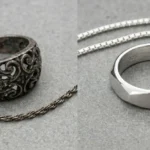
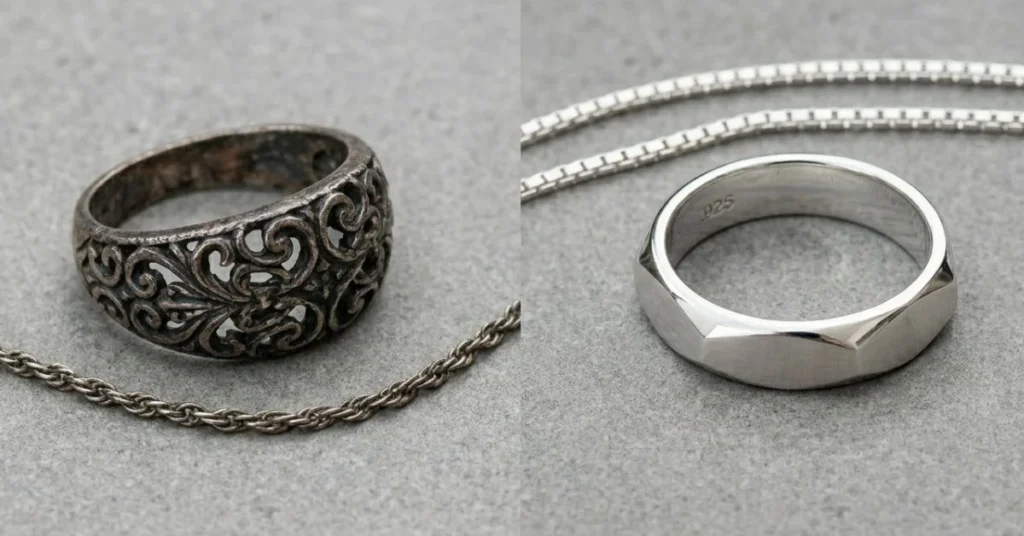
Does sterling silver tarnish? Yes, it does, and there’s a simple chemistry reason behind it that most jewelry guides gloss over. Sterling silver is 92.5% pure silver and 7.5% other metal, almost always copper, and that copper is what reacts with trace sulfur in the air to produce the dark or greenish film people call tarnish.
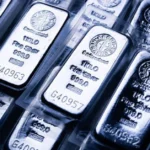
Here’s the part most people miss. The question “does sterling silver tarnish” actually splits into two very different conversations depending on whether you’re talking about jewelry or bullion. A sterling silver ring tarnishing is a cosmetic nuisance you fix with a polishing cloth. A silver bar or coin developing surface marks touches a $67–$70 per ounce market, according to LBMA spot pricing in mid-June 2026, and that’s where people start asking the wrong questions.
Why Sterling Silver Tarnishes in the First Place
Pure silver, the 99.9% fine kind used in bullion bars and coins, barely reacts with anything under normal conditions. Sterling silver is different because that 7.5% copper alloy is far more chemically active. When copper meets hydrogen sulfide, a gas naturally present in polluted air, the reaction produces silver sulfide and copper sulfide, the compounds responsible for that yellow-to-black discoloration.
Anyone who has studied silver markets closely knows fineness drives everything here. Jewelry-grade sterling silver (92.5% pure) tarnishes faster than investment-grade silver bullion (99.9% pure) simply because there’s more reactive metal in the alloy. This is a fact, not folklore: the Royal Canadian Mint’s own technical documentation on their MINTSHIELD surface treatment confirms that even .9999 fine silver Maple Leaf coins minted before 2018 were prone to a related but distinct issue called milk spotting, which the mint attributes to manufacturing residue rather than alloy composition.
What people get wrong: they assume tarnish means something is wrong with the silver. It doesn’t. Pure silver metal, on its own, does not tarnish. Tarnish is what happens to the alloy, not the silver atom itself, and it’s a surface-only reaction that never touches the metal underneath.
How Fast Does It Actually Tarnish?
There’s no fixed countdown clock here, and any guide claiming otherwise is guessing. Storage conditions, humidity, and skin chemistry all change the timeline dramatically.
- Dry, cool, low-sulfur storage: weeks to many months before any visible change
- Humid climates with daily wear: noticeable dullness within days to weeks
- Open-air storage near rubber, leather, or printed paper: uneven dark patches within weeks, since those materials off-gas sulfur compounds
That last point surprises almost everyone. Rubber bands, certain leather pouches, and sulfur-dyed tissue paper can tarnish silver faster than just leaving it sitting on a dresser. If you’re storing silver jewelry or coins in the wrong material, you’re accelerating a reaction you thought you were preventing.
The practical consequence: if you skip proper storage, a piece that should hold its shine for a year can look dull within a month. That’s not bad luck. That’s chemistry doing exactly what chemistry does when you give it the wrong environment.
Sterling Silver Jewelry vs. Silver Bullion: Two Different Tarnish Problems
This is where most articles stop, and where bullion buyers need a different answer than jewelry buyers.
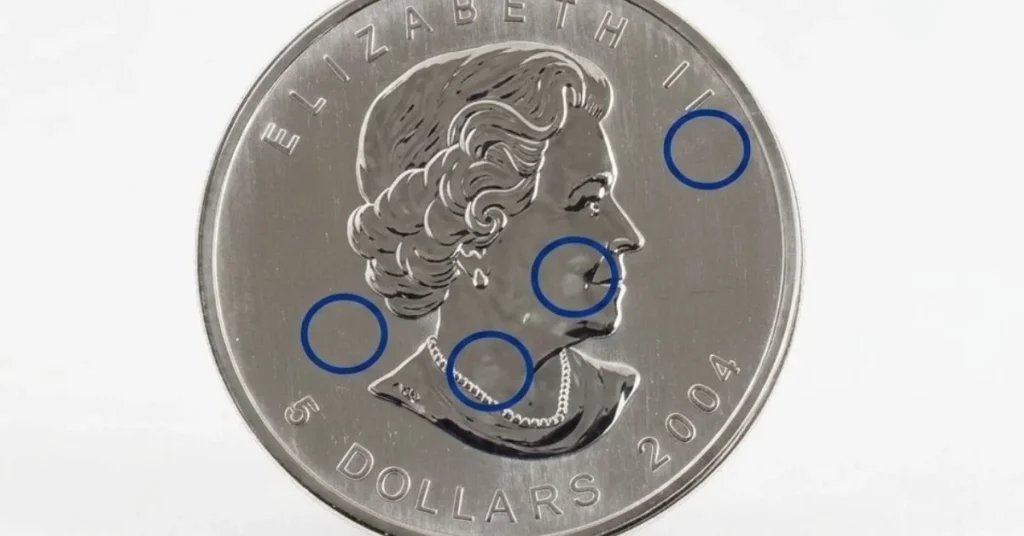
Sterling silver jewelry (92.5% fine) tarnishes through straightforward silver sulfide formation. A polishing cloth or a baking soda and aluminum foil soak typically restores it. Investment-grade silver bullion (99.9% fine), the kind held by stackers and IRA investors, deals with two separate phenomena: ordinary toning, which is the same sulfide reaction at a slower rate because there’s less reactive alloy present, and milk spots, hazy white patches that form from manufacturing residue left over from the minting and annealing process rather than from environmental exposure.
According to BullionByPost’s coverage of the issue, milk spots can appear on bullion coins and bars from virtually any major mint, sometimes even inside sealed capsules, and there is still no single confirmed cause. The Royal Canadian Mint has invested in proprietary MINTSHIELD technology specifically to reduce milk spotting on Silver Maple Leaf coins struck in 2018 and later, an acknowledgment from a sovereign mint that this is a real, ongoing manufacturing challenge, not an urban myth among collectors.
Here’s the insight that surprises new buyers most: neither tarnish nor milk spots change what your silver is actually worth as an investment. Bullion dealers price silver on metal content and weight, not cosmetic finish. A tarnished bar still contains the same troy ounces of .999 silver it did the day it was struck.
What Experts Say About Tarnish and Resale Value
Bullion dealers who handle thousands of coins a year consistently report the same thing: tarnishing, toning, and milk spots are surface-level and don’t affect a coin’s intrinsic value, since that value is tied to metal weight and purity, not appearance. Investors who track silver closely tend to treat light toning the way numismatists treat patina on old coins, as a sign of authenticity rather than damage. Several UK bullion dealers go further, stating they’ll buy back naturally toned coins at the same price as bright ones, provided no one has scratched or chemically stripped the surface trying to “fix” it.
That last detail matters. Aggressive cleaning, dip chemicals, or rubbing with a pencil eraser (a method some collectors try on milk spots) all carry a real risk of scratching the surface, and a scratched coin can lose more resale appeal than a tarnished one ever would. The fix is often worse than the problem.
Practical Storage Steps That Actually Work
For sterling silver jewelry, store pieces in airtight bags or pouches with anti-tarnish strips, away from rubber, latex, and sulfur-treated paper. Apply perfume, lotion, and hairspray before putting jewelry on, never after, since those products leave residue that speeds up the sulfide reaction.
For silver bullion, the priorities shift slightly:
- Use PVC-free capsules or holders. Cheap PVC plastic flips can cause a separate greenish corrosion sometimes called PVC damage, distinct from ordinary tarnish.
- Control humidity with silica gel packets, replaced periodically, in any storage box or safe.
- Avoid sudden temperature swings, since condensation forming on a cold coin brought into a warm room accelerates surface reactions.
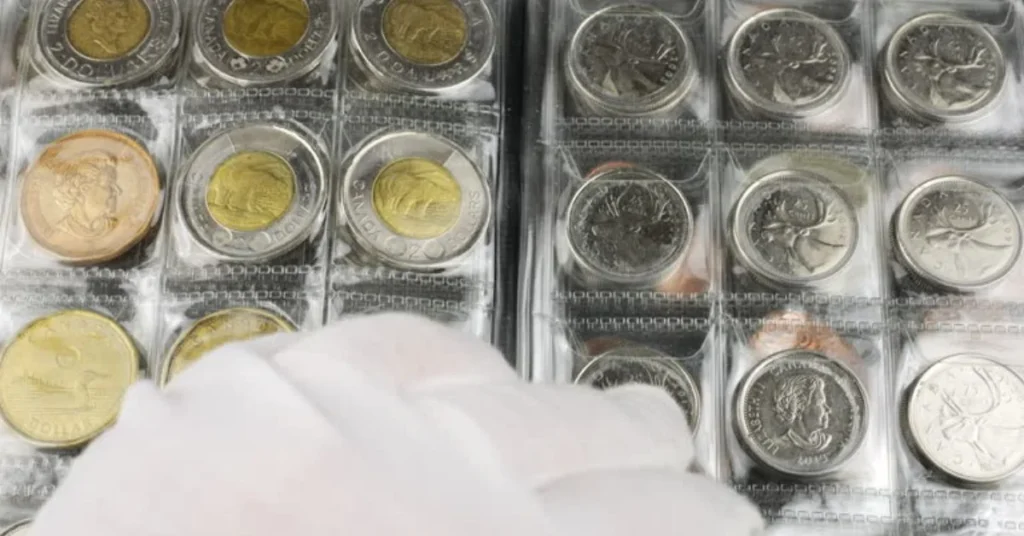
- Handle bars and coins with cotton or lint-free gloves rather than bare hands, since skin oils contribute to both tarnish and milk spot formation.
And that’s the thing about silver storage. Most of the damage people worry about isn’t really about tarnish at all, it’s about what they do trying to remove it.
The 2026 Silver Market Context
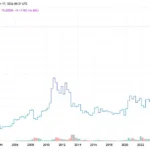
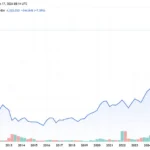
Silver’s industrial demand profile is part of why more first-time buyers are asking storage and tarnish questions this year than in the past. According to the Silver Institute’s World Silver Survey 2026, the market is on track for a sixth consecutive annual structural deficit, driven heavily by solar photovoltaic manufacturing and electronics demand that has pushed industrial use to roughly 60% of total annual silver consumption. Silver hit a nominal all-time high of $121.64 in late January 2026 before correcting to the $67–$70 range by mid-June 2026, based on LBMA spot pricing.
That volatility means more people are taking physical delivery of bullion rather than holding paper positions, and more physical silver in private hands means more questions about how to keep it looking the way it did the day it arrived. Analyst forecasts for the rest of 2026 vary widely, with the LBMA’s annual survey showing projections ranging from $42 to $165 per ounce depending on the institution. Past performance does not guarantee future results, and no specific price level should be treated as a prediction of where silver will trade.
Also Read: 18 Karat White Gold: The Hidden Truth Buyers Miss
FAQ
Does sterling silver tarnish faster than .999 fine silver bullion?
Sterling silver’s 7.5% copper content reacts with sulfur compounds more readily than the 99.9% pure silver used in investment bullion, so sterling pieces typically show visible tarnish sooner under identical conditions.
Does tarnish reduce the resale value of silver bullion?
No. Bullion dealers price coins and bars based on metal weight and purity, not surface appearance, so ordinary tarnish or toning does not lower a bar or coin’s intrinsic value.
Can milk spots be completely prevented on silver coins?
No. Even mints using advanced techniques like the Royal Canadian Mint’s MINTSHIELD surface treatment cannot fully guarantee prevention, since milk spots are linked to manufacturing residue rather than storage conditions alone.
Does wearing sterling silver jewelry daily reduce tarnish?
Regular contact with skin oils and friction from daily wear can actually slow visible tarnish buildup compared to leaving a piece untouched in open air for long stretches.
Should I clean tarnished silver bullion before selling it?
No. Aggressive cleaning methods like chemical dips or abrasive rubbing risk scratching the surface, and most dealers will buy back naturally toned coins at standard price, so cleaning often creates more risk than it solves.
This article is for informational and educational purposes only. It does not constitute financial advice. Always consult a qualified financial advisor before making any investment decisions.