This article is for informational and educational purposes only. It does not constitute financial advice. Always consult a qualified financial advisor before making any investment decisions.
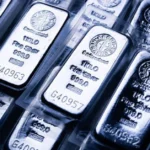
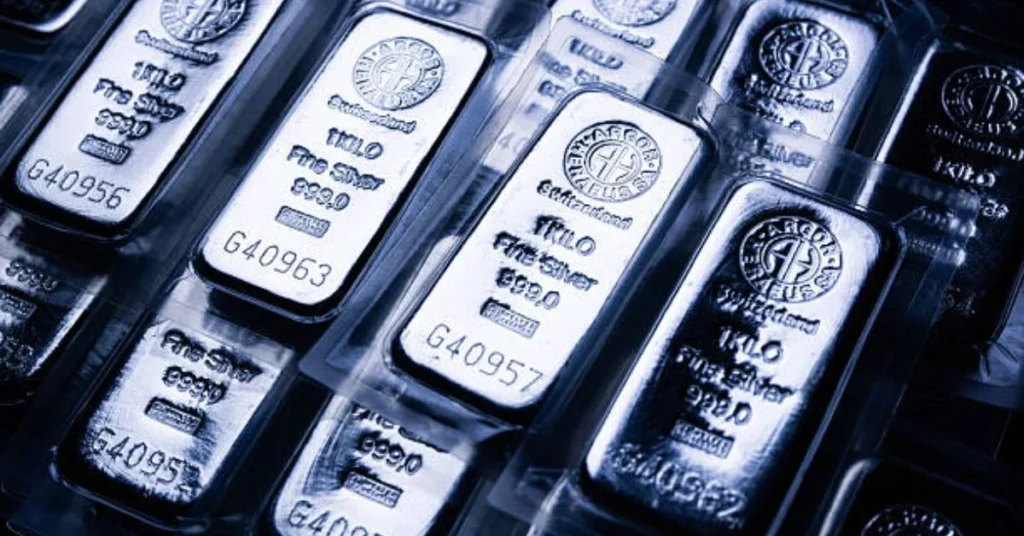
A kilo of silver sitting on a kitchen table doesn’t look like much. So how much is a kilo of silver worth today? As of mid-June 2026, spot silver has been trading in the $68 to $71 per troy ounce range, which puts a kilogram of pure silver at roughly $2,260 to $2,290 in raw spot value. That figure moves before you finish reading this sentence, but the math behind it doesn’t.
The Quick Answer: How Much a Kilo of Silver Is Worth Right Now
A kilogram of silver isn’t priced directly. Silver trades in troy ounces, and a kilo holds 32.15 troy ounces, not the 35.27 ounces you’d get from a standard avoirdupois pound. JM Bullion’s live pricing on June 17, 2026 put spot silver at $71.10 per troy ounce, which worked out to $2,285.92 for a full kilogram. A day later, Trading Economics recorded silver near $68.91 per ounce, reflecting how much the number can shift in 24 hours.
Here’s the practical consequence: if you’re calling a dealer to ask how much a kilo of silver is worth today, the quoted price will run higher than the pure spot math. Dealers add a fabrication and handling premium on top of spot, typically in the 3% to 8% range for kilo bars depending on the brand and refiner. So that $2,285 spot value might show up as a $2,400-plus retail price tag, and that’s normal, not a rip-off.
Why the Price Changes Every Few Minutes

Silver is dual-purpose, which is the part most casual buyers get wrong when they look up how much is a kilo of silver worth today and expect a fixed number. People assume it behaves like a slow-moving savings account because it’s a “precious” metal. It doesn’t. Roughly half of global silver demand comes from industry, not investors, which means a factory order in Shenzhen can move the price as much as a Federal Reserve announcement.
The Federal Reserve angle was on full display this week. Markets were pricing in a 97.4% probability that the Fed, under new Chair Kevin Warsh, would hold rates steady at 3.50–3.75% during its June 17-18 meeting, and that steady-rate backdrop helped silver hold its gains. A weaker dollar and the confirmed U.S.-Iran peace framework added fuel, pushing silver up 0.89% in a single morning session.
What people get wrong: they assume one news event “caused” the price, when usually three or four forces are pulling in different directions at once. Currency moves, Fed policy, industrial orders, and pure speculative trading all land on the same number simultaneously, and untangling which one mattered most is something even professional traders argue about daily.
The Bigger Story: Why Silver Got This Expensive in the First Place
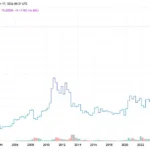
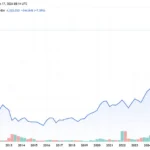
Most people checking how much a kilo of silver is worth today have no idea they’re looking at the tail end of an extraordinary run. Silver gained 148% in 2025 alone, closing the year at $2,416.62 per kilogram, a move that blindsided most analysts who’d forecast far smaller gains. Then in January 2026, silver touched a nominal all-time high of $121.67 per troy ounce, smashing through the $100 mark for the first time in history.
Here’s the counter-intuitive part: silver has actually fallen back since that January peak. Prices have eased roughly 35% from the record high as of mid-2026, yet the structural reasons behind the original rally haven’t gone away. The Silver Institute and Metals Focus, in their World Silver Survey 2026, confirmed the market is heading into its sixth consecutive year of a supply deficit, with the 2026 shortfall projected at 46.3 million troy ounces, up from 40.3 million ounces in 2025. Since 2021, the market has drawn down 762 million troy ounces from above-ground vault stocks just to keep up with demand.
That’s not a forecast of where price is going. It’s a description of why the floor under silver has been rising even while the headline number bounces around.
What’s Actually Driving Demand: It’s Not Just Coin Collectors
Anyone who has studied silver markets closely understands the metal wears two hats, and right now both are pulling weight at once. On one side, industrial buyers need silver for things that don’t pause for a price chart: solar panels, electric vehicle components, semiconductors, and AI data center hardware. Silver’s share of industrial demand from solar photovoltaics alone grew from 11% in 2014 to 29% by 2024, according to USAGOLD’s market reporting.
On the other side, retail investors have piled back in. The Silver Institute forecasts physical investment demand rising 18% in 2026 to roughly 227 million ounces, a three-year high, with U.S. retail demand specifically expected to rebound 57%. That’s a striking detail: even as solar manufacturers actively reduce the amount of silver in each panel to cut costs, individual buyers stacking coins and bars are buying enough to offset that pullback entirely.
The practical consequence for anyone pricing a kilo bar today: you’re not just competing with other investors. You’re competing with industries that legally cannot substitute silver out of their supply chains overnight, because silver’s conductivity properties don’t have a cheap replacement at scale.
Converting Spot Price to a Kilo: The Math Walkthrough
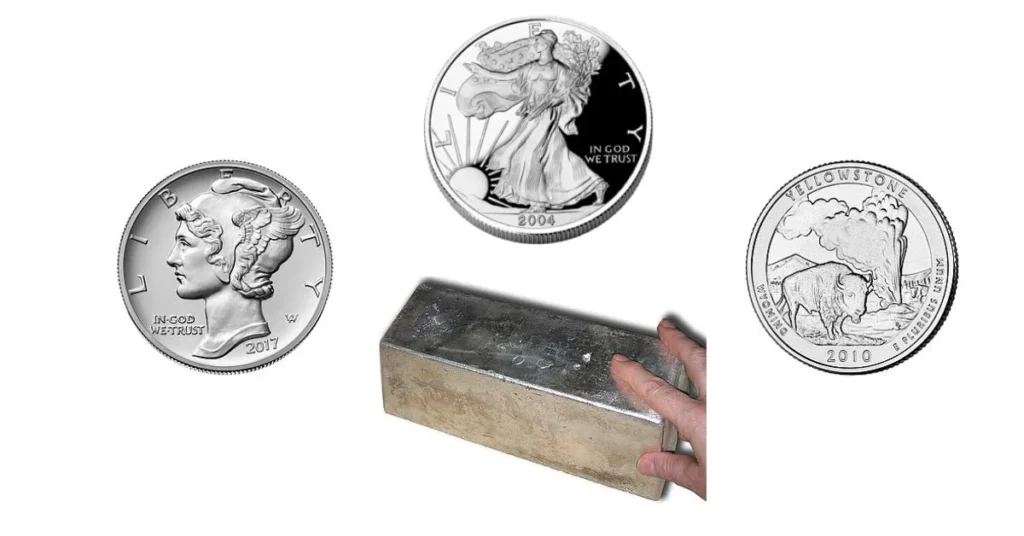
If you want to check how much a kilo of silver is worth today yourself instead of trusting a chart, the formula is simple:
- Find the current spot price per troy ounce (check a live source like Kitco or the COMEX feed)
- Multiply by 32.1507 (the number of troy ounces in one kilogram)
- Add the dealer premium, which varies by bar brand and order size
So if spot is sitting at $70.00 per ounce: $70.00 × 32.1507 = $2,250.55 in pure spot value before any markup.
A few things worth knowing about that number. First, it does not include dealer markup, shipping, or insurance, so the SD Bullion pricing desk explicitly notes the spot price is the foundational raw-metal cost only. Second, the London Bullion Market Association’s Good Delivery standard requires silver bars weighing between 750 and 1,100 troy ounces (roughly 23 to 34 kilograms), which is far larger than the retail kilo bars most individual buyers purchase — so a “kilo bar” you’d buy from a dealer is a smaller, separately fabricated retail product, not an LBMA institutional bar.
What Experts Say About the Gold-Silver Ratio Right Now
One detail technical analysts watch closely is the gold-silver ratio, which measures how many ounces of silver it takes to buy one ounce of gold. As of mid-June 2026, that ratio stood at 61.3, below its 50-year historical average of 65 to 70, according to daily market reporting from USAGOLD. A lower ratio means silver is gaining ground relative to gold.
Here’s the surprising insight: as recently as April 2025, that same ratio was above 100:1, meaning silver was historically cheap compared to gold. The ratio compressing to 61.3 in just over a year reflects silver’s outsized 2025 rally rather than any change in gold’s behavior. Investors who track precious metals closely use this ratio less as a prediction tool and more as a relative-value gauge between the two metals — and it’s part of why the answer to how much is a kilo of silver worth today looks so different than it did even eighteen months ago.
Common Mistakes People Make When Pricing a Kilo of Silver
A lot of buyers price silver once, screenshot it, and assume that number holds for the rest of the week. It doesn’t. Spot price moves continuously during trading hours and can shift several percentage points within a single session, exactly as it did this week when silver fell about 3% on a single Wednesday after a Fed rate-hike signal, then recovered most of that loss within 24 hours.
Another common mistake: assuming kilo bars are always the cheapest way to buy silver per gram. They usually are, since premiums shrink as bar size increases, but availability matters too. During the October 2025 liquidity squeeze, when London vault free float dropped to a historic low of 17% unencumbered, premiums on certain bar sizes spiked because physical metal was simply harder to source, regardless of what the spot chart showed.
Also Read: 2018 Gold Price: The Year the Dollar Won
FAQ
How much is a kilo of silver worth today?
As of mid-June 2026, a kilogram of silver is worth roughly $2,260 to $2,290 in raw spot value, based on spot prices between $68 and $71 per troy ounce. Dealer premiums push the retail price higher.
Does the spot price include the cost of buying an actual kilo bar?
No. The spot price reflects only the raw metal value. Retail kilo bars carry an additional fabrication, shipping, and dealer premium on top of that base figure.
Is a kilo of silver a standard LBMA trading unit?
No. LBMA Good Delivery bars must weigh between 750 and 1,100 troy ounces (about 23 to 34 kilograms). A one-kilogram bar is a separate retail product made for individual buyers, not institutional trading.
Has silver ever been worth more per kilogram than it is today?
Silver hit a nominal all-time high of $121.67 per troy ounce in January 2026, which would have put a kilogram above $3,900 at that peak, well above current 2026 levels.
Will the price of a kilo of silver keep rising in 2026?
No one can say for certain. Analysts at J.P. Morgan have projected a 2026 annual average price near $81 per ounce, but this is a projection, not a guarantee, and past performance does not guarantee future results.
So, how much is a kilo of silver worth today, in plain terms? Somewhere around $2,260 to $2,290 in pure spot value as of this week, plus whatever premium your dealer adds on top. Check a live feed before you buy, since that number won’t sit still for long.
This article is for informational and educational purposes only. It does not constitute financial advice. Always consult a qualified financial advisor before making any investment decisions. Past performance does not guarantee future results.